AGP Executive Report
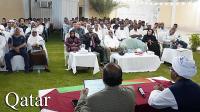
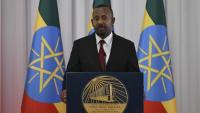
Last update: 4 hours agoEthiopia–Eritrea Tensions: Ethiopian Prime Minister Abiy Ahmed urged economic cooperation but warned Eritrea of “extremely severe consequences” if it shelters groups fighting his government. Eritrea’s information minister dismissed as “lies” a Tigray militia commander’s claim that TPLF leaders had crossed into Eritrea; the TPLF also denied it. The accusations come amid renewed fighting in Tigray and fears of a wider conflict. Diaspora Affairs: Eritrean officials at seminars in Switzerland, Kenya and Qatar called on nationals abroad to strengthen their contribution to national affairs, unity and resilience. Relations with Britain: Eritrea continues to face a UK threat of visa restrictions unless it cooperates on returning failed asylum seekers and offenders; Asmara has called the pressure a political gimmick.
Note: AI summary from news headlines; neutral sources weighted more to help reduce bias in the result. Feedback is welcome. Please let us know if you have any comments or suggestions about the AGP Executive Report.

 Perspectify News